RELEVANT INFORMATION
Self-Neglect and Hoarding Policy
MARM, PREP & Self Neglect (opens in Buckinghamshire Safeguarding Adults Board website)
September 2026: This new procedure should be followed when professionals have concerns about self-neglect and hoarding.
CONTENTS
1. Introduction
This procedure, created by the Buckinghamshire Adult Safeguarding Partnership, follows the Care Act 2014 and related guidance. It should be used when self-neglect or hoarding is suspected in adults at risk. Based on research, it outlines principles for staff and organisations to support well-being and lower harm.
2. Purpose
The procedure aims to prevent serious harm or even death of individuals who appear to be self-neglecting by ensuring that:
- individuals are empowered, as much as possible, to understand the implications of their actions;
- there is understanding and recognition of the complexities involved in working with self-neglecting individuals;
- effective work and practice are promoted;
- concerns are appropriately prioritised;
- organisations uphold their duty of care;
- responses are proportionate to the levels of risk to self and others.
3. Scope
This procedure is intended for professionals working with individuals who may engage in self-neglect.
It does not address risks related to intentional self-harm. If self-harm seems to result from neglect or inaction by another person or service, it may be necessary to report the situation to Adult Social Care as a safeguarding concern.
4. Understanding Self-Neglect and Hoarding
Self-neglect refers to an individual’s inability or unwillingness to adequately care for themselves, which can manifest in poor personal hygiene, unsanitary living conditions, and failure to seek necessary medical attention. Hoarding is a recognised mental disorder involving a persistent difficulty discarding possessions due to a strong desire to save them. Individuals with hoarding disorder often feel deep emotional attachment to their belongings and experience significant distress at the thought of letting them go. This can lead to living environments that become cluttered, unsafe, or unsanitary.
Hoarding and self-neglect often co-occur, but it’s important to recognise that they are not always linked. While self-neglect behaviours may be present in individuals who hoard, self-neglect is not necessarily a precursor to hoarding disorder, and hoarding can exist as a standalone issue.
4.1 Key principles for intervention
- Respect and Dignity: Always treat individuals with respect and dignity. Understand that self-neglect and hoarding are often symptoms of deeper psychological issues.
- Person-Centered Approach: Tailor interventions to the specific needs, preferences, and circumstances of the individual. Involve them in decision-making processes as much as possible.
- Interdisciplinary Collaboration: Work with a team of professionals, including social workers, mental health practitioners, medical personnel, and housing authorities, to provide holistic care and support.
- Building Trust: Establish a trusting relationship with the individual. This is crucial for effective intervention and cooperation.
5. Understanding Mental Capacity
Consideration of mental capacity is a crucial aspect of working with people who self-neglect. Application and familiarity with the Mental Capacity Act (MCA) 2005 and its Code of Practice is important. Where there are concerns regarding mental capacity, it is essential to assess whether people who self-neglect can:
- understand, retain, use and weigh relevant information, including information about the consequences of any decision (mental capacity); and
- implement their actions (executive capacity).
The assessment should consider:
- does the adult understand they have a problem with self-neglect and the risks associated with this?
- can the adult retain the information given to them?
- is the adult able to weigh up the alternative options? e.g. being able to move around their accommodation unhindered, being able to sleep in their bed, cook in their kitchen?
- can the adult communicate their decision?
Assessments should consider whether there are any concerns about possible duress and whether the individual is being influenced or exploited by others who may not have their best interests at heart.
It is essential to apply the empowering principles of the MCA. It is essential that all mental capacity assessments are clearly documented in case records.
Where the individual has mental capacity but is not able to exercise choice as a result of duress or exploitation, legal advice should be sought regarding an inherent jurisdiction application to the High Court.
When a person is assessed as lacking capacity, a Best Interests decision should be made on their behalf and the least restrictive option should always be preferred. The person remains involved as far as possible.
Mental capacity assessments are both time and decision specific and should be considered and/or repeated as risk changes and in relation to each individual decision/risk.
The person should be supported to make an informed decision. This means that professionals will need to take time explaining the likely consequences of all courses of action.
6. What to do When There is Cause for Concern around Self-Neglect and / or Hoarding Identified?
The self-neglect and hoarding pathway is a complex and challenging journey that requires a compassionate, multidisciplinary approach. By understanding the underlying causes, identifying early signs, and implementing effective intervention strategies, we can support individuals in achieving improved well-being and quality of life. Ongoing management and long-term support are crucial for sustaining positive changes and preventing relapse, ultimately helping individuals lead healthier and safer lives.
The following self-neglect pathway clearly illustrates the multiplicity of options and routes to consider.
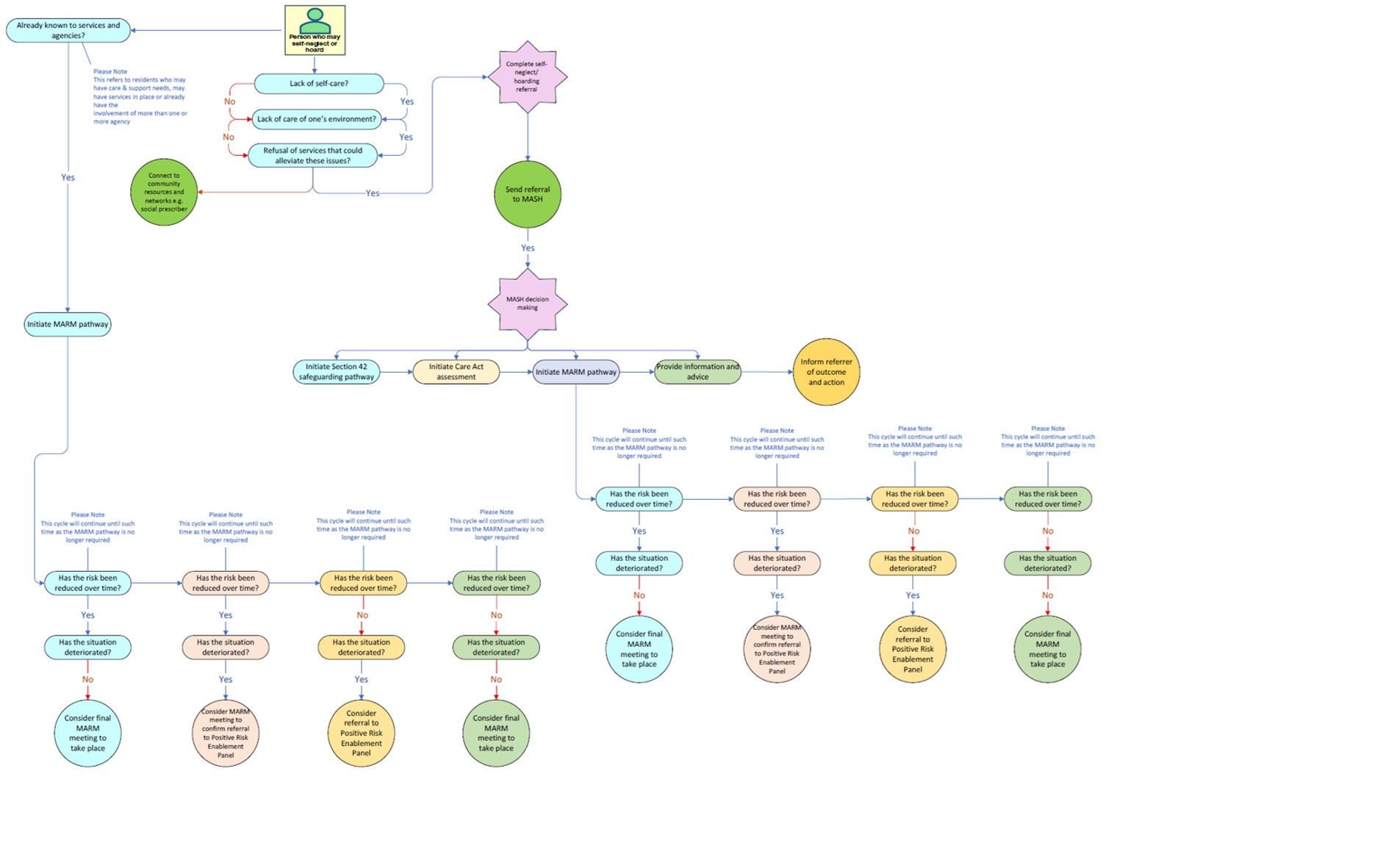
7. Prevention
Self-neglect and hoarding present complex challenges that require the attention and intervention of various professionals. These conditions can lead to significant health and safety risks for individuals and others around them. Early recognition and intervention are critical to preventing these situations from escalating to the point where safeguarding procedures are necessary.
In most cases of self-neglect and hoarding, early intervention and preventative measures can eliminate the need for safeguarding adult procedures. Prevention is the first and most critical step in managing these conditions.
8. Early Intervention
Early intervention involves recognising the signs of self-neglect and hoarding early and providing timely support. This proactive approach helps in addressing the root causes and mitigating the risks associated with these conditions. Professionals need to be vigilant and responsive to early signs and encourage individuals to accept support and intervention.
9. Community Support Networks
The Care Act emphasises the importance of utilising community support networks and facilities that are available locally. These networks can include family, friends, statutory agencies, and non-statutory agencies already known to the individual. Engaging with these networks can provide a comprehensive support system that addresses the individual’s needs from multiple angles. Building a strong support network is crucial for overcoming self-neglect and hoarding. The self-neglect and hoarding pathway emphasises the importance of social connections and community resources in providing the necessary support and encouragement to make positive changes.
10. Identification and Assessment
Early identification and assessment are crucial for addressing self-neglect and hoarding behaviours effectively. Healthcare professionals, social workers, and community members play a vital role in recognising the signs and initiating appropriate interventions.
10.1 Completing the self-neglect / hoarding referral
Prior to completing the referral it’s important to gather key and relevant information, that is outlined in the Self-Neglect/Hoarding referral. This initial assessment is critical in understanding the extent of self-neglect or hoarding and determining the appropriate course of action.
- Comprehensive Evaluation: Conduct a thorough evaluation of the individual’s physical, mental, and environmental conditions.
- Risk Assessment: Identify any immediate risks to the individual’s health and safety, as well as to others living in the same environment.
- Engagement: Engage with the individual to understand their perspective, concerns, and willingness to accept help.
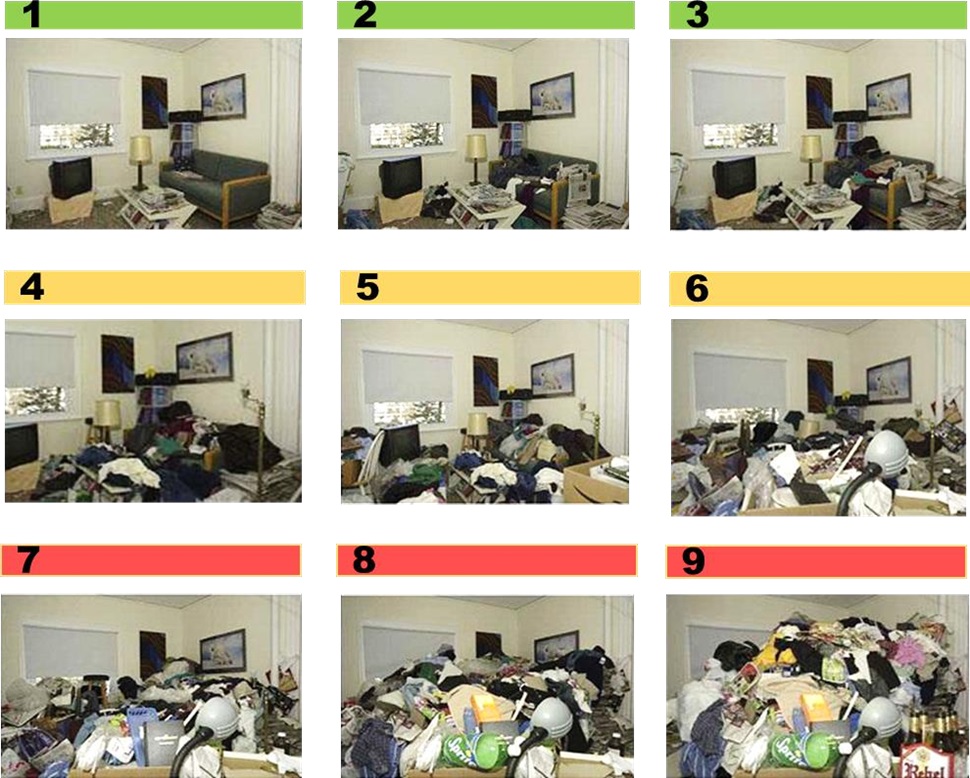
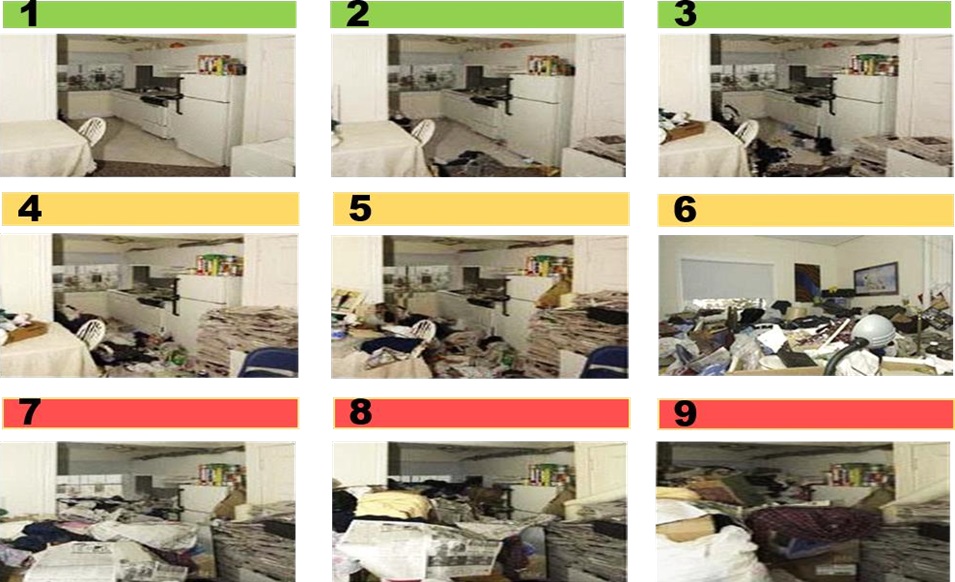
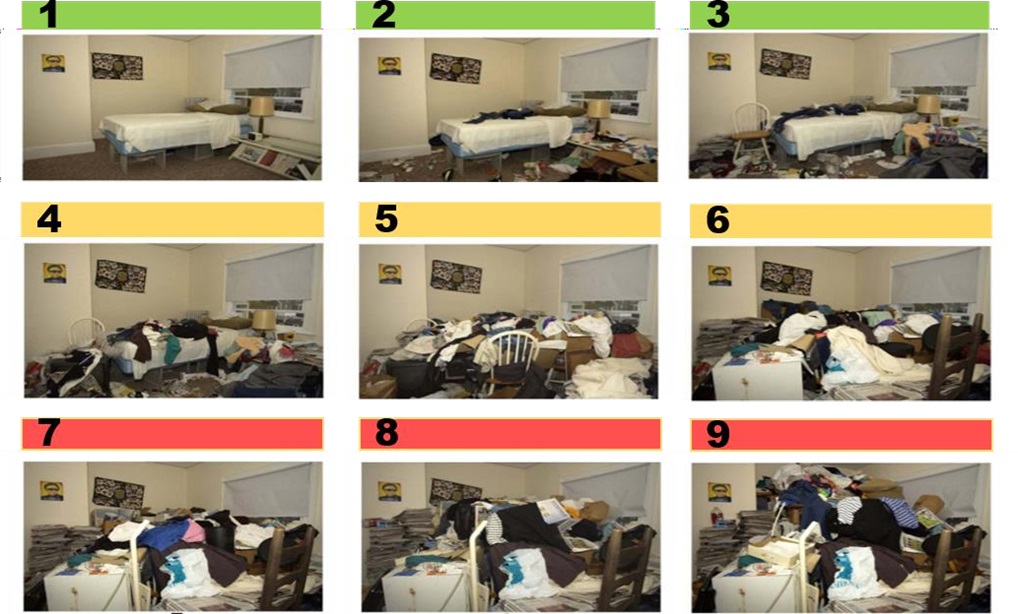
In addition to this, Appendix 3 contains a Clutter Scales toolkit to be adopted when undertaking a hoarding assessment of risk.
- Once completed, submit the online referral to the Adults MASH. The MASH will make contact with the referrer and depending on the severity and risk will determine which options will be taken: For example:
- Initiate an urgent multi-Agency risk Assessment meeting under the MARM framework and confirm who will be the lead agency responsible;
- Initiate a Care Act Assessment;
- Initiate a Safeguarding Enquiry;
- Considerations for community support options.
It is important to note in situations where a person is known to services and/or agencies and/or previous approaches of intervention have not worked, and risk has escalated, the MARM pathway should be initiated. Please see MARM, PREP & Self Neglect (opens in Buckinghamshire Safeguarding Adults Board website)
11. Developing an Intervention Plan
Based on the assessment a detailed and flexible intervention plan must be developed. This plan is referred to as the Multiagency Risk Assessment and planning. Key areas of focus:
- Goal Setting: Set realistic and specific goals in collaboration with the individual. Ensure that these goals are achievable and meaningful to them.
- Step-by-Step Approach: Break down the intervention into manageable steps. Avoid overwhelming the individual with too many changes at once.
- Identifying potential triggers for relapse and developing strategies to manage them is essential for maintaining progress. This may involve continued therapy, support group participation, and environmental maintenance.
- Empowering individuals with knowledge and skills to manage their behaviours independently is a key aspect of long-term support. Providing education on self-care, organisation, and coping mechanisms can enhance their ability to maintain a healthy and safe living environment.
- Resource Allocation: Identify and allocate the necessary resources, such as mental health services, medical care, and community support.
- Legal and Ethical Considerations: Be aware of the legal and ethical considerations, including issues of capacity, consent, and mandatory reporting.
12. Different Approaches to Intervention
There are various approaches that professionals can take when addressing self-neglect and hoarding. It is crucial to consider all possible interventions and work with the individual over time, allowing them to make decisions for themselves as much as possible. If they are unable to do so, the Mental Capacity Act 2005 provides a framework for intervention.
12.1 Collaborative approach
A collaborative approach involves working with the individual and their support network to create an intervention plan. This plan should be person-centered and respect the individual’s autonomy and preferences. Professionals should aim to build trust and establish a rapport with the individual to encourage their participation in the intervention process.
12.2 Multi-disciplinary teams
Multi-disciplinary teams (MDTs) are essential in managing self-neglect and hoarding cases. These teams can include social workers, healthcare professionals, housing officers, and mental health specialists. MDTs work together to develop comprehensive intervention plans that address the individual’s physical, mental, and social needs.
13. Implementing the Plan
The implementation phase requires patience, persistence, and continuous evaluation. This includes
- Regular Monitoring: Monitor the individual’s progress regularly and adjust the intervention plan as needed.
- Support Systems: Engage family members, friends, and community organisations to provide additional support and encouragement.
- Addressing Underlying Issues: Provide access to mental health services to address any underlying psychological issues contributing to self-neglect or hoarding.
- Encouragement and Motivation: Continuously encourage and motivate the individual, celebrating small successes along the way.
- Regular Follow Up: Scheduling regular follow-up appointments is key to addressing any emerging issues, and provide continuous support.
14. Reviewing and Adjusting the Plan
Regularly review the intervention plan to ensure its effectiveness.
- Ongoing Assessment: Conduct periodic assessments to evaluate the individual’s progress and any emerging needs or challenges.
- Flexibility: Be prepared to adjust the plan based on the individual’s changing circumstances and feedback.
- Long-Term Support: Plan for long-term support to prevent relapse and promote sustained well-being. Long-term management of self-neglect and hoarding requires ongoing support and monitoring to prevent relapse and promote sustained behaviour change.
15. Fire Risks
If a person’s hoarding affects their wellbeing, consider referring them to Buckinghamshire Fire and Rescue Service for a Home Fire Safety Visit. Always seek consent unless there is a serious risk to life, as hoarded properties endanger both residents and others.
To request a free visit, email the individual’s name, address, phone number, and concerns to [email protected] or call 01296 744477. Include the adult’s contact details and note if they have given consent.
16. Hoarding and Animals
People who hoard animals often keep dozens or even hundreds of pets, either indoors or outdoors. Due to sheer numbers, proper care is lacking, putting both animals and humans at risk from unsanitary conditions.
Under the Animal Welfare Act 2006, everyone must ensure animal welfare and prevent suffering. Concerns should be reported to the RSPCA at 0300 1234 999.
If children are endangered in these environments, refer to Children’s Services (Report a concern about a child – Buckinghamshire Council).
When animals pose infection risks or create odours amounting to Statutory Nuisance, contact Environmental Health and Housing (Environmental health and nuisance – Buckinghamshire Council).
17. Legal Frameworks
The Mental Capacity Act 2005 provides a framework for intervention when an individual is unable to make decisions for themselves. This Act ensures that any intervention is in the best interests of the individual and is the least restrictive option available. Professionals must follow the principles of the Act and ensure that the individual’s rights and autonomy are respected.
Appendix 1 – Self-Neglect / Hoarding Referral Form
Self-Neglect / Hoarding Referral Form (opens in Word)
Appendix 2 -Self-Neglect and Hoarding Assessment Tool
Self-Neglect and Hoarding Assessment Tool (opens as a PDF)
Appendix 3 – Clutter Image Ratings and Tool
Clutter Image Rating Tool (opens in Word) – this tool should be used when working with someone who may be affected by hoarding or maybe neglecting their environment. It is useful to ask the person alongside the professionals/workers view as to which pictures they think represents the state of their home, and then compare their perception with that of the professional/worker.
Clutter Image Rating: Kitchen – please select the photo that most accurately reflects the amount of clutter in your room.
Clutter Image Rating: Bedroom – please select the photo that most accurately reflects the amount of clutter in your room
Clutter Image Rating: Living Room – please select the photo that most accurately reflects the amount of clutter in your room